
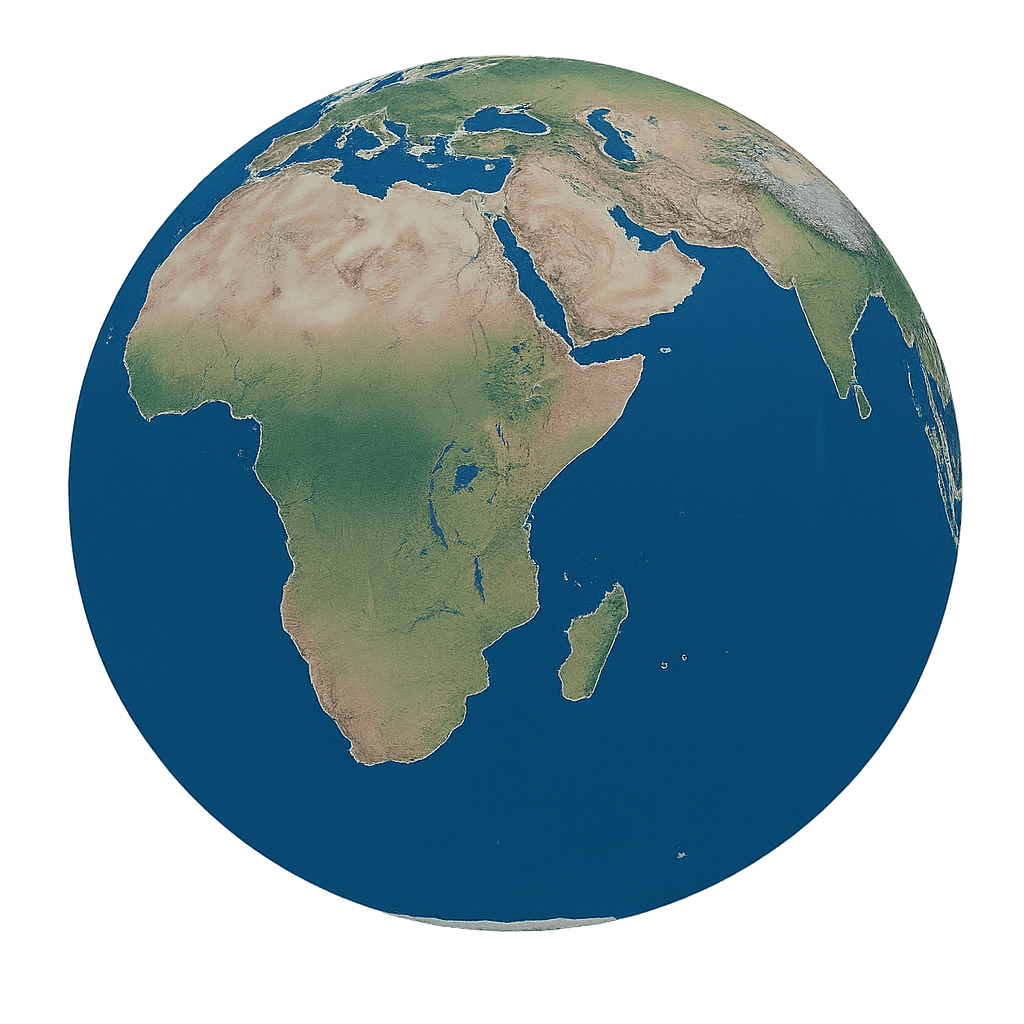
Why Large Plastic Parts Need to Be Designed for Regional Manufacturing

Dr. Raju Desai, Senior Director, Jyoti World Private Limited and President, Plastindia Foundation, highlights the role of design-led regional manufacturing for large plastic components.
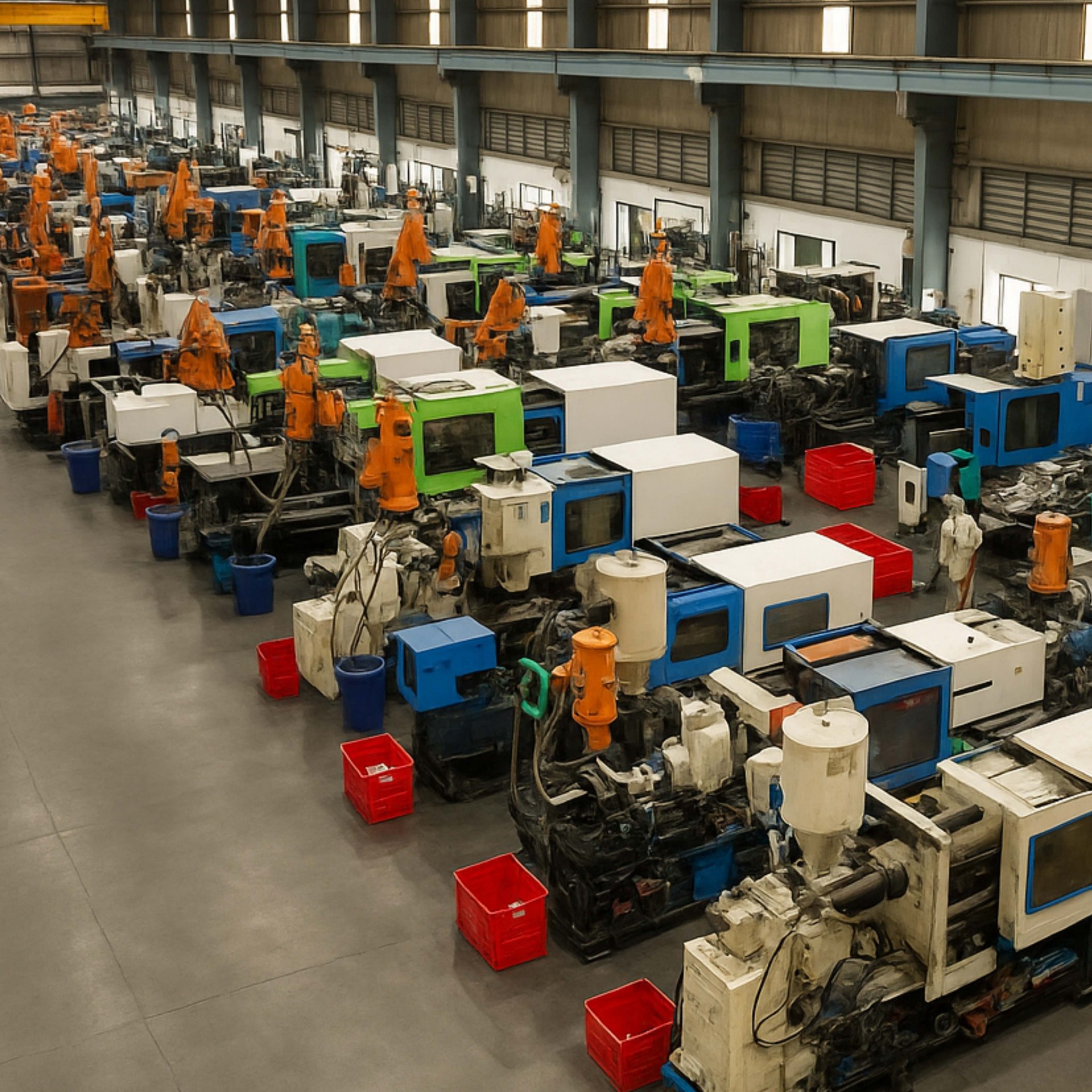
Injection Molding Unit with 50 Machines ranging between 60T-1200T
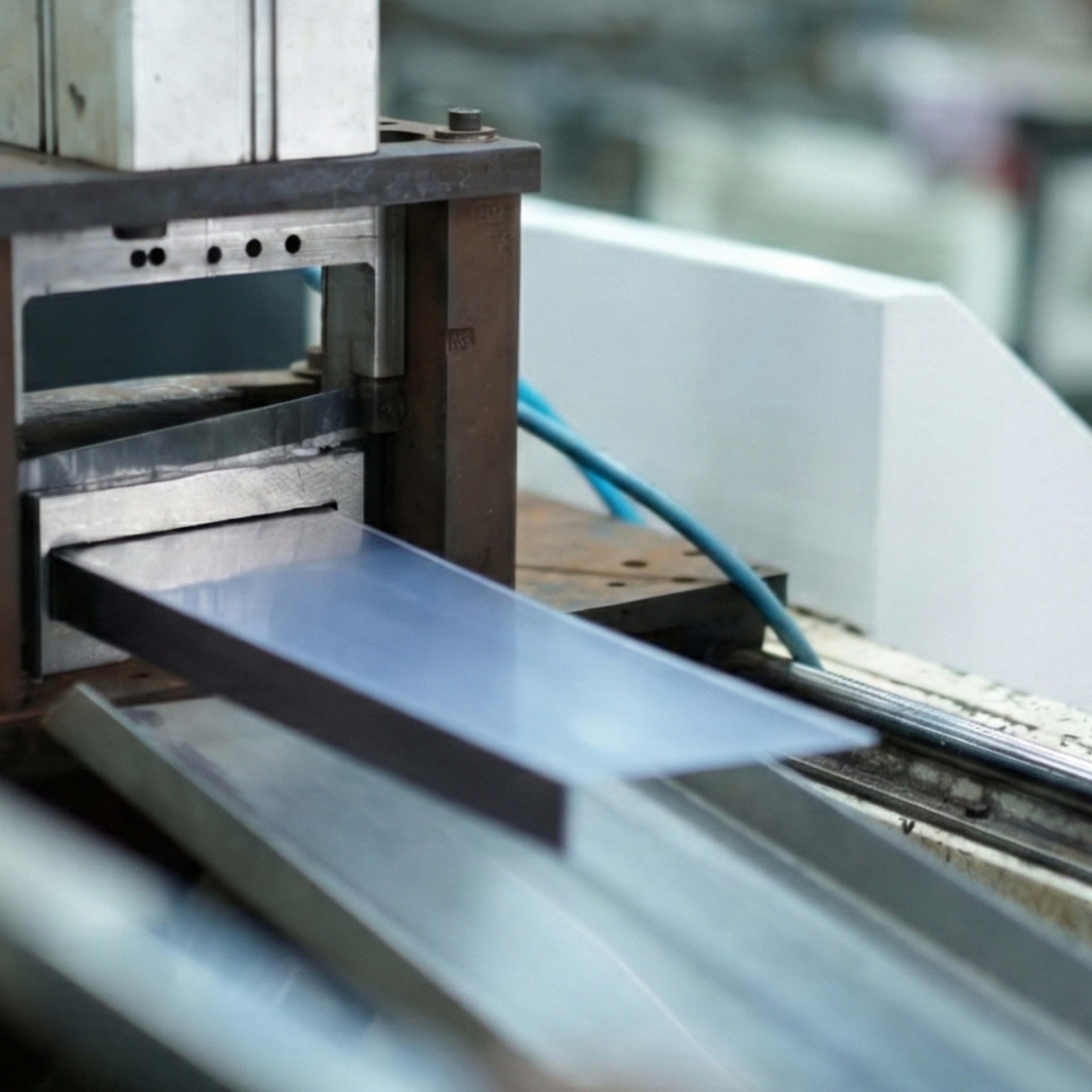
Plastic Profile Extrusion with 30+ Lines offering Mono, Twin and Tri Extrusion
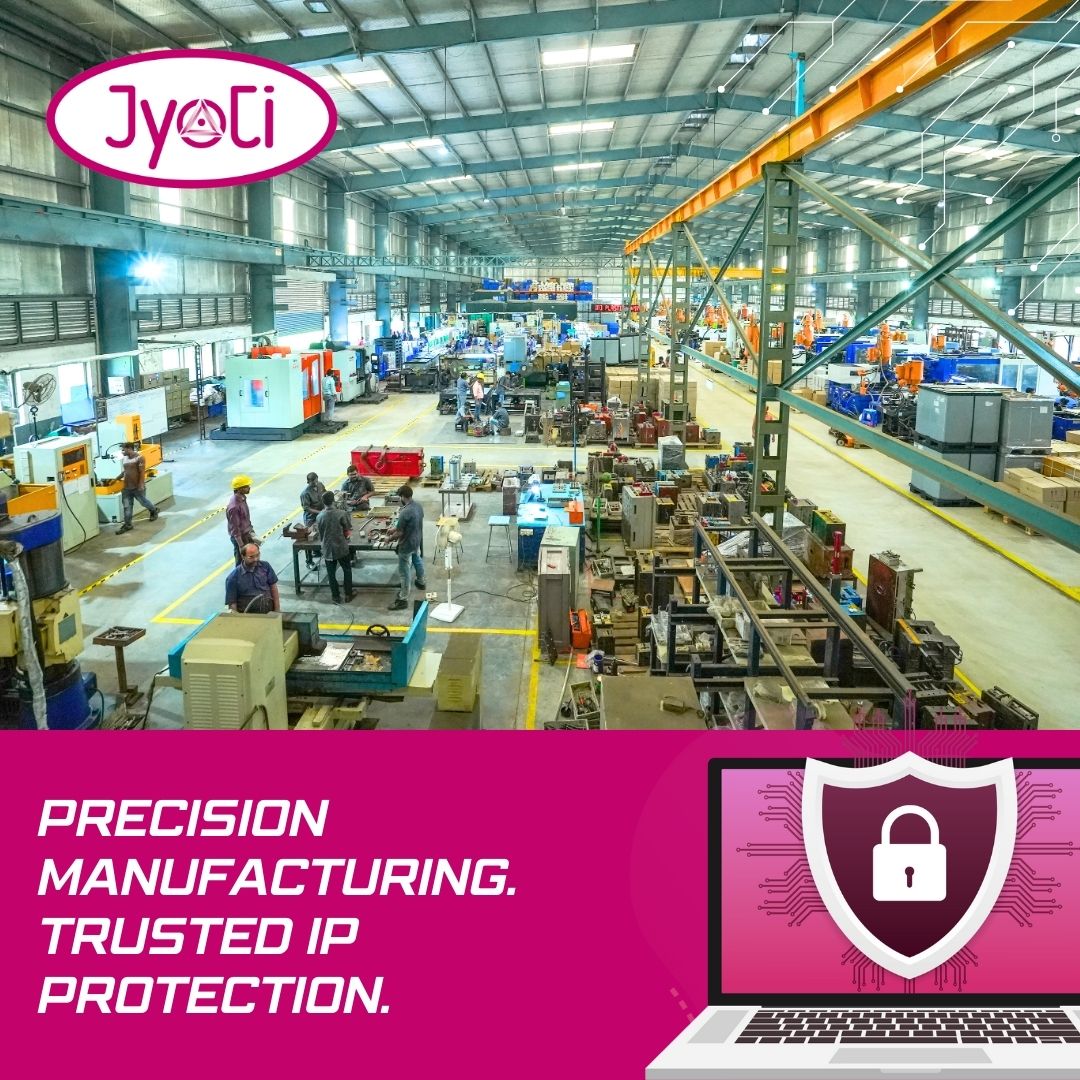
Toolroom and in-house mold development ensure confidentiality and rapid prototyping at Jyoti World.
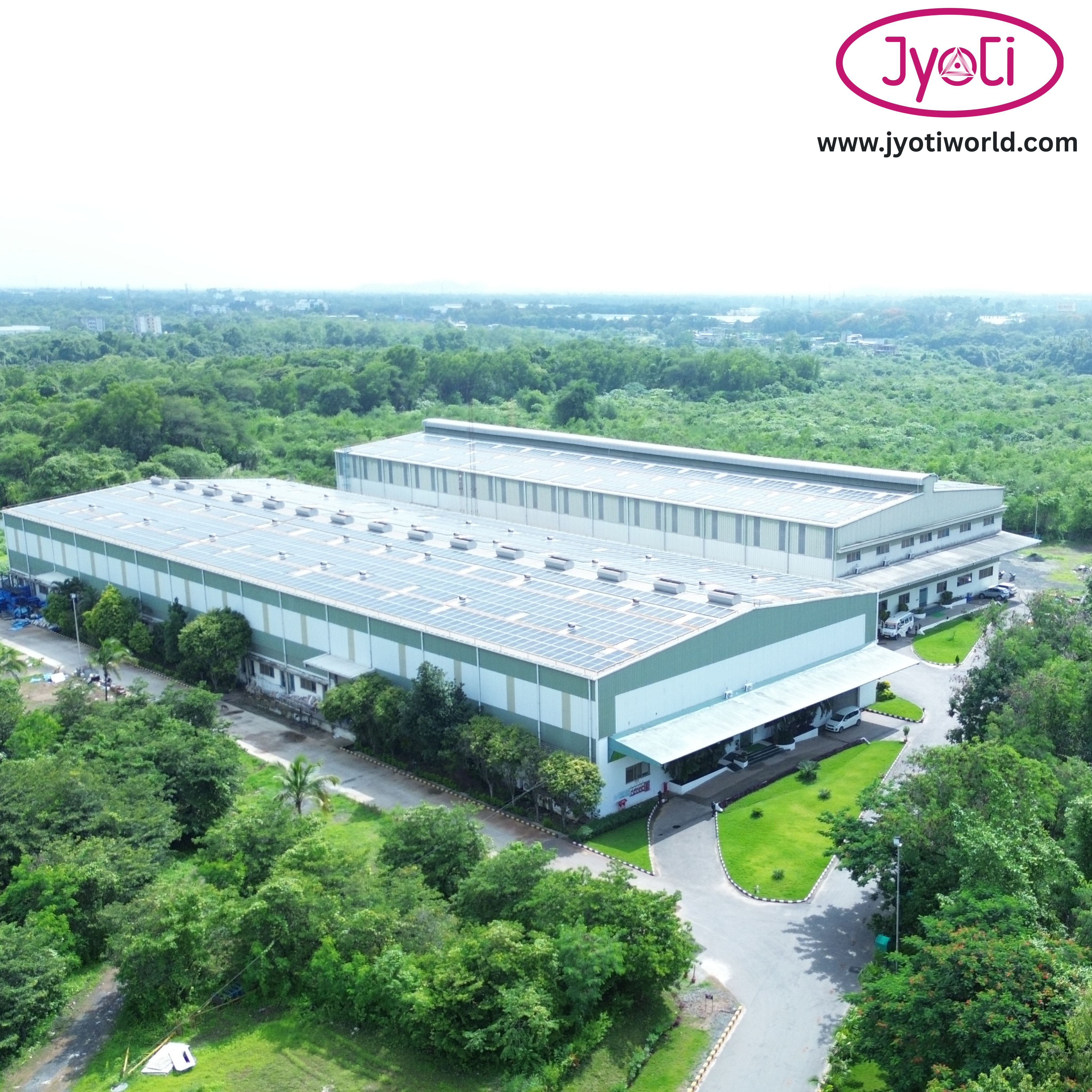
Jyoti World Plant Top View
Dr. Raju Desai says regional manufacturing of large plastic components must begin at the design stage, integrating engineering, tooling, materials and logistics
MUMBAI, MAHARASHTRA, INDIA, August 24, 2026 /EINPresswire.com/ -- The next phase of manufacturing regionalization may not be decided solely by procurement teams or supply-chain managers. For large plastic components, the decision increasingly needs to begin much earlier at the engineering and product-design stage.
Dr. Raju Desai, Senior Director of Jyoti World Private Limited and President of Plastindia Foundation, believes large profile extrusions and molded polymer components require manufacturers to rethink how products are designed, engineered and industrialized for regional markets.
“Localization should not mean taking an existing product, moving the purchase order to another country and expecting the same economics,” said Dr. Desai. “True regionalization begins when engineering, material selection, tooling, manufacturing and logistics are considered together. For large polymer components, the product should ideally be designed with its regional manufacturing ecosystem in mind.”
This distinction is becoming increasingly relevant as OEMs diversify manufacturing footprints. While China+1 strategies have focused primarily on creating alternative production locations, a more mature regional manufacturing model can involve adapting products and processes to make better use of local polymer technologies, tooling capabilities, manufacturing capacity and supply networks.
Design for Manufacturing Meets Design for Logistics:
Large plastic components behave differently from conventional small components. Long extruded profiles, industrial covers, structural sections, electrical enclosures and other large-format polymer parts can create challenges not only during production but also during storage, packaging, transportation and assembly.
This makes Design for Logistics an important extension of traditional Design for Manufacturing.
Engineers can evaluate whether a long profile should be supplied as a complete length or manufactured closer to the point of assembly. Large molded components can be examined for modularity, nesting, assembly strategy and material optimization. Tooling and process parameters can be developed with regional production volumes and local supply conditions in mind.
The objective is not simply to manufacture the same component closer to the customer. It is to create a product architecture that makes regional manufacturing commercially and technically viable.
From Component Localization to Manufacturing Ecosystems:
Dr. Desai believes this shift also changes the role expected from plastics processors.
“A capable plastics manufacturer should not enter the conversation only after the drawing is frozen,” he said. “The greatest opportunities often exist before production begins—when the polymer, geometry, tooling concept, extrusion or molding process and assembly requirements are still being evaluated.”
This requires deeper integration between OEM engineering teams and polymer processors.
For profile extrusion, this may involve material formulation, layer construction, die design, dimensional control and downstream processing. For large-part injection molding, it can involve Moldflow analysis, tooling strategy, machine selection, cycle optimization and scientific molding.
Jyoti World has built an integrated manufacturing ecosystem covering polymer compounding, profile extrusion, injection molding, tooling, plastic machining and value-added assembly. Its injection molding capability extends from 60-tonne to 1200-tonne machines, while its extrusion capabilities include mono-, twin- and tri-extrusion technologies.
Such integration can allow OEMs to evaluate manufacturability earlier, reduce hand-offs between suppliers and develop regional production programs around a single engineering and manufacturing partner.
Why India Can Participate in the Next Wave:
For India, the opportunity extends beyond becoming an alternative low-cost production destination.
The country has developed substantial capabilities in engineering plastics, polymer processing, tooling and industrial manufacturing. The next opportunity is to connect these capabilities with global product development programs and regional supply-chain strategies.
For international OEMs serving India, Europe, the UK, the Middle East and other markets, this can create a model in which engineering and production are progressively aligned with the geography of demand.
“This is where India can move from being considered an alternative manufacturing location to becoming an engineering-led manufacturing partner,” Dr. Desai said.
Sustainability Starts Before the Factory:
The regionalization discussion also has an important sustainability dimension.
Material efficiency, lightweighting, recycled polymers, modular product architecture and reduced transportation requirements are most effective when considered during product development rather than added after manufacturing decisions have already been made.
“For sustainability to be meaningful, we have to look beyond the factory,” Dr. Desai said. “The polymer, product design, manufacturing process, transportation model, service life and end-of-life pathway are all interconnected. Good engineering should reduce environmental impact while improving commercial performance.”
As global manufacturers continue to build more resilient supply chains, the emerging question is therefore not simply where a component should be manufactured, but how that component should be engineered so that regional manufacturing works better.
For large plastic profiles and molded parts, that distinction could become one of the defining principles of the next generation of global manufacturing.
About Jyoti World Private Limited:
Established in 1959, Jyoti World Private Limited is an integrated engineering plastics and contract manufacturing company serving OEM and ODM requirements across domestic and international markets. Its capabilities include polymer compounding, profile extrusion, injection molding from 60 tonnes to 1200 tonnes, plastic machining, in-house tooling and value-added assembly. The company combines material engineering, tooling and scalable polymer processing to develop application-specific manufacturing solutions for global customers.
Poorwal Oak
Jyoti World Private Limited
+ +91 84228 69122
email us here
Visit us on social media:
LinkedIn
YouTube
Facebook
Legal Disclaimer:
EIN Presswire provides this news content "as is" without warranty of any kind. We do not accept any responsibility or liability for the accuracy, content, images, videos, licenses, completeness, legality, or reliability of the information contained in this article. If you have any complaints or copyright issues related to this article, kindly contact the author above.
